
Rich Culture, Warm People
5 September 2026
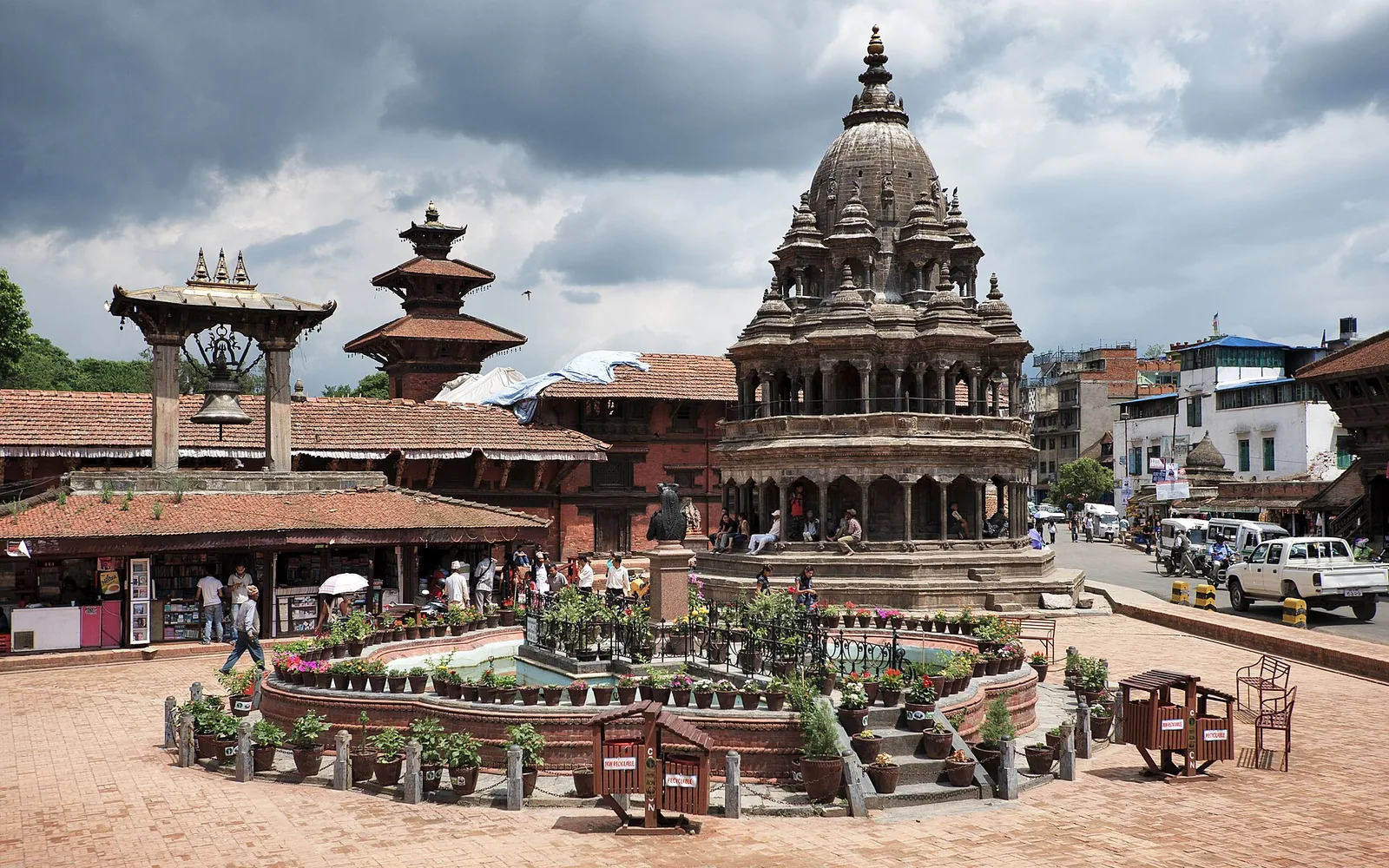
The Kathmandu Valley holds one of the densest concentrations of living heritage anywhere in Asia. Not a museum quarter — the shrines in these photographs are swept, painted and offered to every morning, by people who live in the buildings around them.
Seven zones, one ticket at a time
The Kathmandu Valley World Heritage Site is made up of seven monument zones: the durbar squares of Kathmandu, Patan and Bhaktapur, the Buddhist stupas of Swayambhunath and Boudhanath, the Hindu temple complex of Pashupatinath, and the hilltop temple of Changu Narayan. They sit close enough together to string across a long weekend on foot and by taxi, and each charges its own entry fee.
Patan Durbar Square at opening time, before the tour groups arrive, is worth the early alarm. So is the Patan Museum inside it, which is the best introduction to Newar art and architecture in the country and one of the finest small museums in South Asia.
The people who built it
The valley's craft tradition is Newar: the woodcarvers, metalworkers and brick masons whose work you are looking at in every strut, window and roof. Much of what you see has been rebuilt at least once — the 2015 earthquake brought down parts of all three durbar squares, and the restoration that followed used the same timber joinery and the same brick dimensions as the originals. Standing in Bhaktapur now, it is often hard to tell what is five hundred years old and what is five.
Being a good guest
Walk clockwise around a stupa. Take your shoes off where others have. Ask before photographing people, particularly at Pashupatinath, where families are in mourning. A little of this goes a long way, and it is noticed.
Photo: Nepal Patan Durbar Square 10 (full res) by Alexander Shafir, CC BY-SA 4.0, via Wikimedia Commons.
